
Every HR lead in Singapore has run the maths: a day out of the office, a facilitator, catering, maybe a sentosa venue — and by the following Monday, the same two departments are talking past each other again. It is not that team bonding is worthless. It is that bonding and building are different jobs, and most companies book one expecting the other.
This guide is for anyone choosing a team programme — what the research and our own workshop rooms say actually shifts how a team works together, and the questions that separate a programme with lasting effect from a pleasant afternoon.
Bonding vs building: know which one you are buying
Team bonding creates shared positive experience — laser tag, cooking classes, escape rooms. It lifts mood and gives colleagues something to talk about, and that has real value, especially for new or remote teams. But it does not touch the reasons teams struggle: unspoken friction, mismatched working styles, feedback nobody quite says, and meetings where the quietest person has the best idea and never shares it.
Team building works on those directly. It gives people language for how they each think, decide, and react under pressure — and a safe structure to say the things that have been sitting under the surface. The test is simple: bonding changes how people feel that day; building changes how they run their next disagreement.
If nothing about Monday's meeting changes, it was bonding, not building. Both are fine — just know which one you paid for.
What makes a team workshop actually work
- Self-awareness before team-awareness. People can only explain their working style to colleagues once they can see it themselves — which is why the strongest programmes start with an individual profile, not a group game.
- A shared language. Teams change when 'you always shoot down ideas' becomes 'my cautious self needs a day with new proposals'. Vocabulary turns friction into information.
- Real conversations, structured safely. The value is in colleagues saying true things to each other with a facilitator holding the room — not in trust falls.
- Small enough to be honest. Twelve people can have a real conversation; eighty can only watch one.
- A Monday plan. The programme should end with concrete agreements the team writes for itself — how decisions get made, how feedback gets given — not just a group photo.
Questions to ask any provider
- What will each person learn about themselves, specifically?
- What happens when a real disagreement surfaces in the room?
- What does the team leave with that they will still be using in three months?
- How do you adapt the day to our team's actual friction points, not a generic agenda?
- Can you work with our quieter members, not just the confident voices?
How we run it at SELF
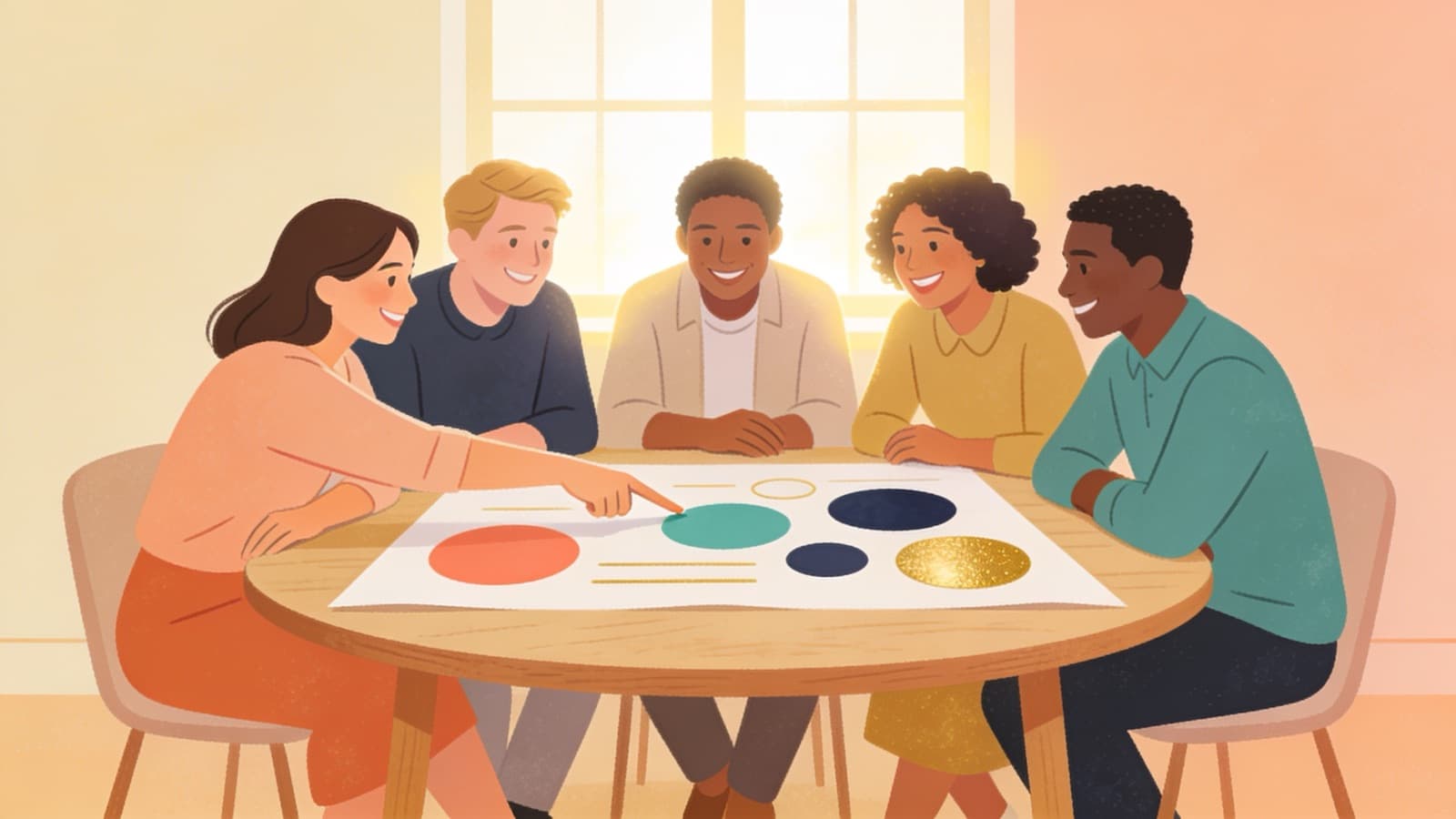
Our corporate workshops are built on the building side of the line. In Selves at Work, every participant completes a Selves Profile — a personal map of how they naturally lead, decide, and respond under pressure — and then the team sees what all the profiles look like side by side. The 'aha' moments tend to arrive fast: the colleague who checks everything twice is not slowing you down for sport, and the one pushing for change is not attacking your work. From there, the team builds its own working agreements with the full picture on the table.
See the full workshop line-up and what each session covers. Explore our corporate workshops →
Curious about the framework behind the profiles? Read: Meet your eight Selves →
Connect with us
Let's work together.
Interested in joining SELF? We welcome individuals and organizations eager to support our mission. Let's unlock human potential, together.